
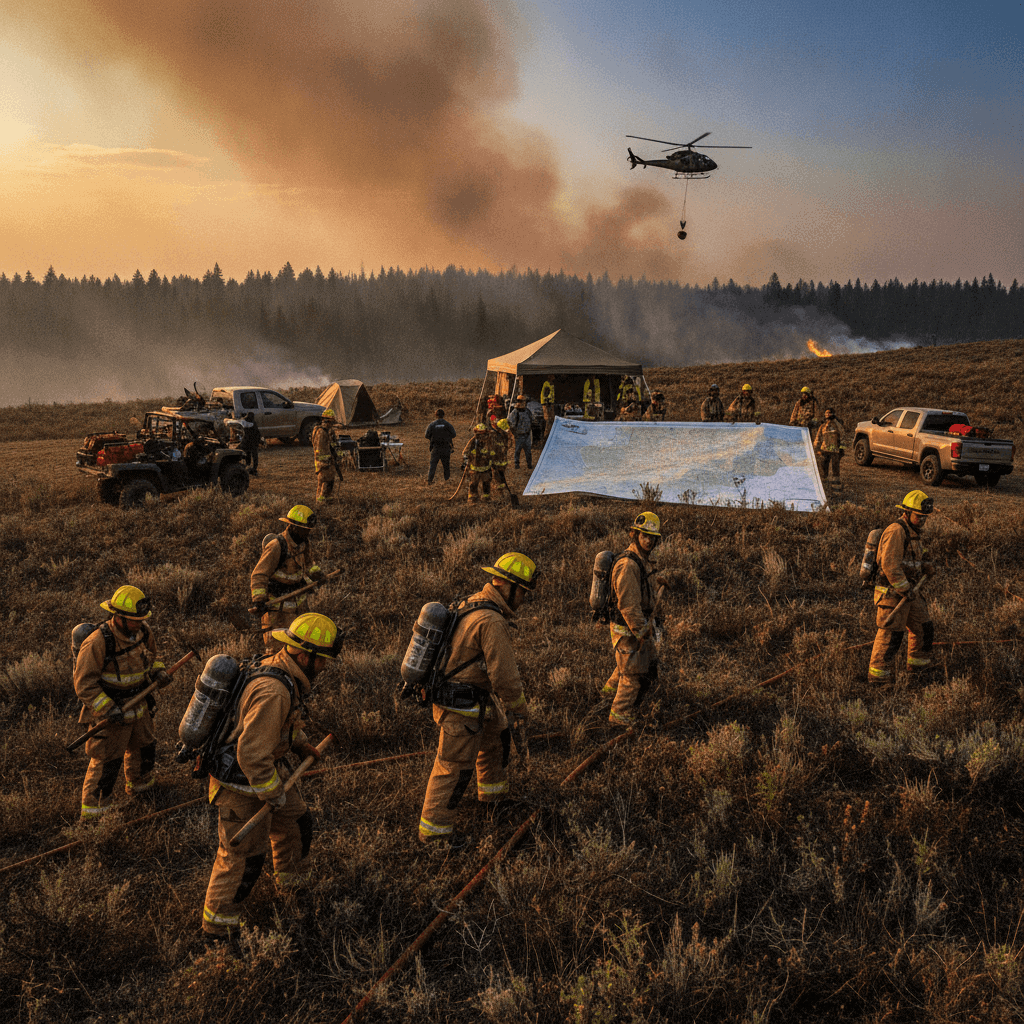
Rural wildfires pose a growing threat to communities and ecosystems across our country. Every year, we see headlines about vast areas burning and the devastating impact on homes and livelihoods. It is a problem that touches many lives directly and indirectly. Addressing staffing shortages for rural wildfires has become a critical issue for emergency responders.
I have spent time looking into the challenges these rural areas face. Often, these communities struggle to find and keep enough skilled firefighters. This shortage creates a dangerous gap in our ability to respond effectively when fires break out. It impacts everything from initial containment to long-term recovery efforts.
Understanding the root causes of these staffing problems is the first step toward finding lasting solutions. We need to look at both immediate and long-term strategies. From boosting recruitment efforts to improving training and support, there are many areas where we can make a real difference.
The Escalating Challenge of Rural Wildfires
The intensity and frequency of rural wildfires have surged over recent decades. This trend is not just anecdotal. Scientific data shows longer fire seasons and more extreme fire behavior. These fires threaten more than just remote wilderness areas. They are encroaching on residential zones and critical infrastructure, making the response even more complex and urgent.
Rural areas are particularly vulnerable to these fires. They often have vast tracts of dense vegetation, limited water sources, and scattered populations. These factors combine to create a perfect storm when a fire starts. The geography itself can make firefighting incredibly difficult, requiring highly specialized skills and equipment.
The direct impact on these communities is severe. Lives are lost, homes are destroyed, and local economies suffer greatly. The environmental damage lasts for years, affecting air quality, water supplies, and wildlife habitats. It is a multifaceted crisis that demands a robust and well-staffed emergency response system.
Increased Fire Severity and Frequency
I have observed how climate change plays a significant role in this escalation. Drier conditions, higher temperatures, and prolonged droughts contribute to more flammable landscapes. This means that fires spread faster and burn hotter than they did in the past. Firefighters are facing conditions that are far more dangerous and unpredictable.
This reality puts immense pressure on firefighting resources. What might have been a manageable blaze years ago can quickly become an uncontainable inferno today. It requires more personnel, more equipment, and much faster response times. The sheer scale of these events often overwhelms local capabilities, especially in smaller rural departments.
Understanding the Core Staffing Shortages for Rural Wildfires
The heart of the problem in rural wildfire response often lies in staffing. Many rural fire departments are volunteer-based or rely on a small paid force. These departments struggle to fill positions because of several interconnected issues. Low wages and demanding work are common barriers.
The work itself is incredibly dangerous and physically taxing. Firefighters face extreme heat, smoke inhalation, and unpredictable fire behavior. This high-risk environment can deter potential recruits. It also leads to burnout and high turnover among existing staff, which makes the problem worse.
Many rural areas also experience a shrinking working-age population. Young people often move to urban areas for better opportunities, so the pool of potential recruits shrinks. This demographic shift directly impacts the availability of local firefighters.
The Impact on Response Times
Staffing shortages directly lengthen response times. When a fire breaks out, every minute counts. A delay in getting enough trained personnel to the scene can mean the difference between a small brush fire and a raging inferno. I have seen how quickly a fire can escalate when resources are spread thin.
This is especially true in remote rural locations. When the nearest fire station is far away and understaffed, the initial attack on a fire can be critically delayed. This allows the fire to grow larger, making it even harder and more dangerous to control. The consequences for people and property are severe.
Retention and Recruitment Obstacles
Keeping experienced firefighters is just as hard as finding new ones. The seasonal nature of wildfire fighting means many positions are temporary. This offers little job security or consistent income. Firefighters often have to find other work during the off-season, so it can be tough to make a career out of it.
The lack of consistent employment and benefits packages makes it difficult to compete with other industries. Firefighters often develop valuable skills, but if they are not properly compensated and supported, they will seek more stable employment elsewhere. It is a cycle that continuously undermines rural fire departments. Anyone interested in understanding the broader challenges faced by the wildland firefighting community should view the article that details the scope of these staffing struggles.
Innovative Recruitment Strategies for Firefighters
To address staffing shortages, we must think differently about how we attract firefighters. Traditional recruitment methods are not always enough for rural areas. We need to create programs that resonate with local communities and highlight the critical role these heroes play.
One effective strategy involves community outreach. Hosting open house events at fire stations can introduce people to the job and its rewards. Partnering with local schools and youth groups also builds early interest. Sharing personal stories of firefighters can inspire the next generation to consider this noble profession.
We should also explore targeted recruitment campaigns. These campaigns can focus on individuals with transferable skills, like veterans or those with experience in trades. Highlighting the adventure and community service aspects of the job can be very appealing. We need to paint a clear picture of the impact they can have.
Developing Attractive Incentives
Offering better incentives is crucial for attracting and retaining talent. This includes competitive salaries that reflect the danger and skill involved. Providing comprehensive benefits packages, including health insurance and retirement plans, makes these jobs more sustainable.
For volunteer departments, incentives might include property tax breaks or educational grants. These small gestures can make a big difference for individuals who dedicate their time and effort. We must show our appreciation in tangible ways. This helps to build a stronger and more committed workforce.
Enhancing Training and Skill Development
Beyond recruitment, ensuring our firefighters have the best possible training is vital. The nature of wildfires is changing, so training methods must evolve. We need to equip firefighters with advanced techniques and knowledge to tackle modern blazes safely and effectively.
This means investing in state-of-the-art training facilities and regular refresher courses. Practical, hands-on experience in controlled burn environments helps firefighters build confidence and refine their skills. It prepares them for the intense realities of a real wildfire. We want them to be ready for anything.
Cross-agency cooperation in training is also incredibly valuable. When local, state, and federal agencies train together, they build seamless communication and coordination. This is essential during large-scale incidents that require multiple departments to work as one team. Shared training means a more cohesive and powerful response force.
Specialized Wildland Fire Training
Wildland firefighting requires specific skills that differ from structural firefighting. Training must include modules on fire behavior in different landscapes. Understanding weather patterns and topography is important too. Firefighters need to learn how to use specialized tools like fire plows and chainsaws effectively.
I believe that incorporating simulations and virtual reality tools can enhance training. These technologies allow firefighters to practice decision-making in high-stress scenarios without actual danger. It builds muscle memory and critical thinking skills. This type of training helps them react correctly when facing real fire events.
Leveraging Technology and Community Support
Technology can act as a powerful force multiplier when human resources are scarce. Modern tools can assist firefighters in many ways. Drones, for example, can provide aerial views of fire perimeters, helping command centers make informed decisions. They can also deliver supplies to remote teams.
Early detection systems, like satellite monitoring and ground sensors, can alert responders to new fires faster. This reduces response times and helps contain fires before they grow large. Predictive modeling uses data to forecast fire spread, giving firefighters a strategic advantage.
Community involvement is another cornerstone of rural wildfire defense. Local volunteers can assist with fire prevention efforts, like creating defensible spaces around homes. They can also help with evacuation procedures and logistics during an active fire event. Their local knowledge is invaluable.
Building Local Resilience Networks
I often emphasize the importance of strong community networks. Establishing clear communication channels between residents and fire departments builds trust and cooperation. Neighborhood watch groups can be trained to identify fire hazards and report them promptly. This proactive approach saves lives and property.
Local businesses and organizations can also contribute. They might provide equipment, supplies, or even financial support to volunteer fire departments. These partnerships strengthen the overall capacity for wildfire response and preparedness. It truly takes an entire community working together.
Policy Changes and Funding Solutions
Addressing staffing shortages for rural wildfires requires significant policy changes and increased funding. Governments at all levels need to recognize the severity of this issue. They must implement policies that support and sustain rural fire services.
One key area is funding for salaries and benefits. Providing year-round employment opportunities for wildland firefighters can stabilize the workforce. It would attract more skilled professionals who are looking for a consistent career. This is a direct investment in community safety.
Policies can also support inter-agency agreements. These agreements allow resources to be shared across jurisdictions during emergencies. This maximizes efficiency and ensures that even small departments have access to the help they need. We need to remove barriers that prevent cooperation.
Advocating for Long-Term Investments
I believe advocacy for long-term investments in wildfire preparedness is essential. This includes funding for equipment upgrades, vehicle maintenance, and technological advancements. These are not one-time expenses but ongoing needs that ensure firefighters have the best tools available.
There should also be policies that promote fire-adapted communities. This means investing in controlled burns, forest thinning, and building codes that require fire-resistant materials. These measures reduce the risk of catastrophic fires and lessen the burden on firefighters. It is about working smarter, not just harder.
Our Collective Responsibility for Wildfire Preparedness
Addressing staffing shortages for rural wildfires is a complex challenge, but it is one we must face head-on. I have laid out how the escalating threat of wildfires, combined with significant staffing issues, creates a dangerous situation for our rural communities. We have explored innovative recruitment strategies, emphasizing the need for better incentives and community engagement to attract and retain dedicated firefighters. We also discussed the importance of advanced training and the strategic use of technology to support our frontline heroes.
Finally, I highlighted the critical role of policy changes and sustained funding. These actions are necessary to build a resilient and effective wildfire response system. This is not just a problem for firefighters or government agencies to solve. It is a shared responsibility that demands our collective attention and commitment. Every individual, community, and policymaker has a part to play in ensuring the safety and future of our rural areas.
I urge you to consider how you can contribute to this vital effort. Support your local fire departments, advocate for sound policies, and educate yourself and your neighbors on fire prevention. Our rural communities and the brave individuals who protect them deserve nothing less than our full support. Let us work together to build a safer, more prepared future against the threat of wildfires.