
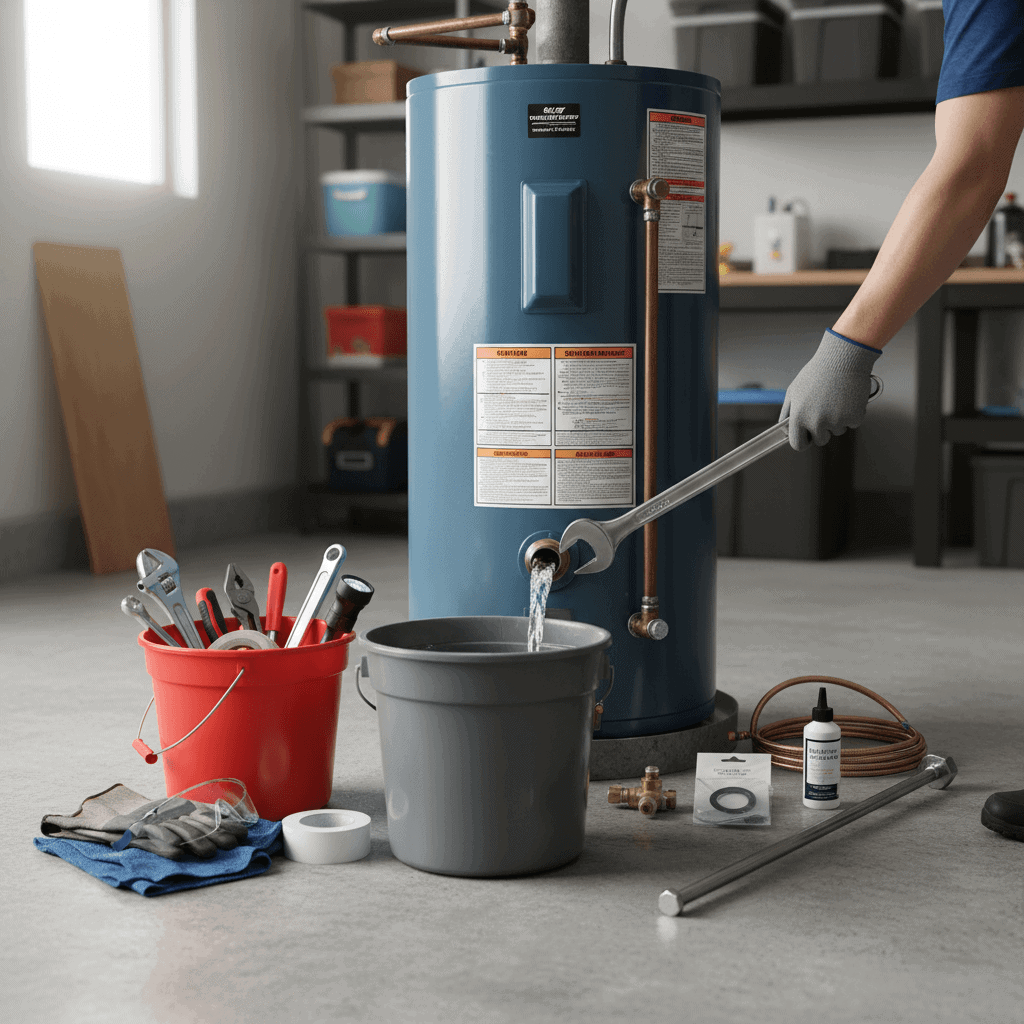
A steady flow of hot water feels like a little luxury that gets ignored until it stops working. A tiny leak or weird grinding sounds from a water heater can quickly mess up mornings. Taking care of it regularly keeps problems away and saves money, since fixing it usually costs less than buying a new one. Knowing this helps anyone who wants smooth mornings and fewer headaches.
This article walks through the essentials for caring for your water heater so you can spot issues early, prolong the life of the unit, and reduce energy use. The guidance covers both tank and tankless systems and is written so a homeowner can perform many tasks safely, while also knowing when to call a professional.
Why regular water heater maintenance matters for longevity and safety
A water heater that receives attention lasts longer and runs better. Sediment builds inside a tank over months and years, and that layer reduces heat transfer which makes the unit work harder. Increased workload means higher energy bills and accelerated wear on components. In extreme cases, sediment contributes to overheating and premature failure of the tank.
Beyond cost, safety is a key reason to check the system. Pressure and temperature controls can fail. A faulty relief valve or a blocked drain can create dangerous conditions. Regular checks reduce the chance of leaks or pressure problems and help catch corrosion before it causes a rupture. For households with young children or elderly occupants, maintaining safe operation is particularly important.
Monthly checks every homeowner can perform
Some quick inspections once a month keep small problems from growing. These are visual checks and simple tests that require no special tools. Doing them regularly builds familiarity so you can notice when something is off.
- Look for leaks around the tank base and nearby fittings. Even small damp spots are worth tracking because corrosion can start from persistent moisture.
- Check the temperature setting on the thermostat. The recommended setting is often around 120 degrees Fahrenheit for safety and energy reasons. Lower settings reduce scald risk and save energy.
- Listen for unusual noises when the heater runs. Popping or rumbling in a tank model typically means sediment has accumulated and needs attention.
- Inspect the visible pipes for rust or corrosion. Corroded pipes can fail suddenly, especially near fittings and shutoff valves.
- Confirm the area around the heater is clear and that vents are not blocked if the unit is gas powered.
Annual tasks for tank style water heaters
Once a year take a bit more time to perform moderate maintenance steps. These measures greatly reduce sediment related issues and improve reliability.
Flushing the tank to remove sediment
Flushing means draining some or all of the water to carry away sediment that has settled on the bottom. Start by turning off power or gas, connect a hose to the drain valve, and run the water into a safe drain outside. If the water runs clear the bulk of sediment is gone. If heavy deposits remain repeat the process until clearer water appears. Flushing can restore heating efficiency and reduce popping sounds.
Checking and replacing the anode rod when needed
The anode rod is a sacrificial metal rod that attracts corrosive elements so the tank shell does not corrode quickly. Inspect it annually by loosening the hex head on top and pulling it out. If it is heavily corroded or worn to less than one half inch in diameter replace it. Replacing an anode rod is inexpensive and can add several years to the life of a tank heater.
Maintenance for tankless units and routine descaling
Tankless heaters have a different set of priorities. Because the water moves quickly through heat exchangers mineral scale forms inside passages and reduces flow and heat transfer. Scale buildup causes reduced performance, fluctuating temperatures, and possible shutdowns.
How to perform a descaling flush
Descaling a tankless unit typically requires circulating a vinegar or descaling solution through the heat exchanger using a pump and hoses. The process removes mineral deposits that narrow passages. For homes with hard water a descaling flush should be performed at least once a year, and more often if hardness is high. If you do this work yourself follow the manufacturer instructions and cut power to the unit first.
Monitor flow sensors and filters
Tankless models often have inlet filters or screens that trap debris. Clean these periodically to prevent flow restrictions. Also watch for error codes on the unit display which often point to flow sensor or ignition issues that are easier to fix early on.
Common problems, quick fixes, and what they indicate
Many common symptoms have straightforward explanations and remedies. Knowing what small issues mean helps decide whether a DIY fix is appropriate or a professional call is needed.
- Popping or rumbling sounds from a tank heater indicate sediment build up. Solution flush the tank and consider a water softening option if your water is hard.
- No hot water but pilot light is on on a gas unit suggests a failing thermocouple or gas valve. Replacing these parts often solves the issue but gas work can be risky for a novice.
- Low hot water supply points to thermostat set too low, a failing heating element on electric units, or sediment reducing capacity on tank models. Test thermostats and elements before replacing the heater.
- Leaking at fittings usually means a loose connection or failed gasket. Turn off water, tighten fittings carefully, and if leakage continues replace the gasket or fitting. If the leak is at the tank shell replacement is needed.
- Frequent cycling or short bursts of hot water point to a thermostat problem or incorrect water pressure. Verify pressure and thermostat settings first.
When to call a professional and what to expect
Some tasks are best left to a trained technician for safety and warranty reasons. Complex jobs include gas valve replacement, major electrical work, and full tank replacement. A pro can also perform a thorough inspection and test safety components such as temperature pressure relief valves and gas shutoffs.
When you schedule service a technician will typically perform a leak and pressure check, test the relief valve, measure outlet temperature and combustion efficiency on gas units, and assess connections and venting. If you want qualified help for routine upkeep or an inspection consider a local plumbing company that lists water heater services on their site. For example this page shares more about professional water heater maintenance and service options water heater maintenance
Safety steps and energy wise settings to follow
Safety cannot be overstated with appliances that use gas or electric power. Follow these steps to reduce risk and control running costs.
- Set the thermostat at around 120 degrees Fahrenheit to reduce scald risk and lower energy use. This temperature works well for most households.
- Test the temperature pressure relief valve by lifting the lever and letting it snap back. If no water flows out the valve may be stuck and should be inspected by a technician.
- Keep the area near the heater clear of flammable materials and do not store chemicals nearby. For gas units make sure vents are free of obstructions.
- Install insulating blankets on older tanks if the manufacturer allows it. Insulation cuts standby heat loss and reduces fuel consumption without complex upgrades.
- Consider a water softener if your home has hard water. Reducing mineral content prevents scale and extends the service life of both tank and tankless systems.
Small investments of time pay off well when it comes to keeping a water heater running reliably. Monthly inspections, annual flushing or descaling, and periodic part checks let a homeowner manage common concerns early. When problems exceed what simple checks handle call a qualified technician so repairs are done safely and to code.
Regular maintenance is also a smart financial decision. Replacing a water heater is a significant expense and early intervention with inexpensive parts such as an anode rod often postpones that cost. A clear maintenance plan can reduce energy use and protect against sudden failures that occur at the most inconvenient times.
Ready to protect your hot water supply and avoid emergency repairs? If you prefer trained technicians handle inspections and service call a trusted local plumbing provider. Ask them for a maintenance checklist, request estimates for needed repairs, and schedule annual upkeep. Taking these steps now reduces interruptions and keeps showers, laundry, and dishes running smoothly. Pick a date for an inspection and get the peace that comes from a well maintained system.