
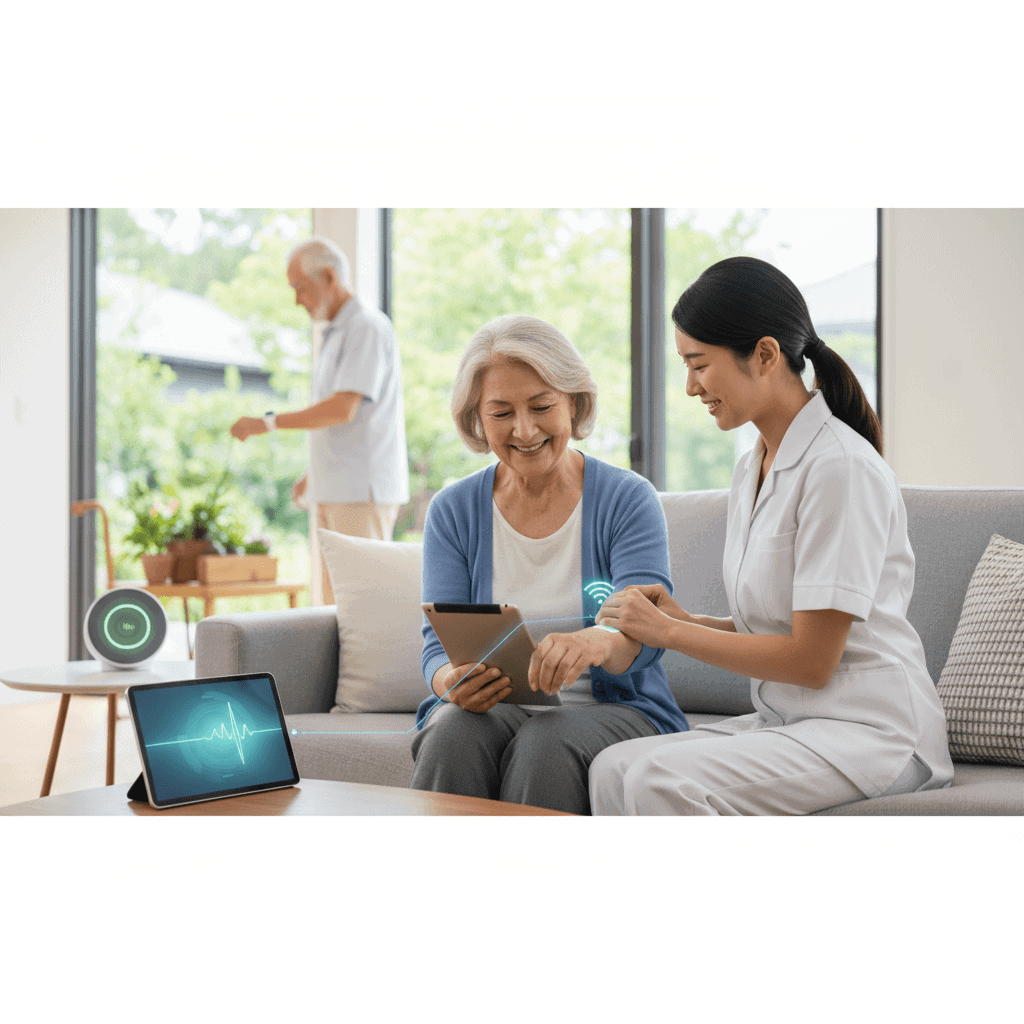
As we get older, maintaining independence and safety becomes a top priority for many seniors. Families want to ensure their loved ones are safe but also respect their desire to live comfortably in their own homes. Balancing these needs can feel like a delicate act.
I understand this challenge deeply because I have seen firsthand how much peace of mind continuous monitoring can bring. It changes the game for both seniors and their families. It is about more than just watching someone; it is about providing a supportive environment that enhances life itself.
This approach transforms worry into confidence. Continuous elderly monitoring provides crucial insights into daily well-being and offers a rapid response system for emergencies. We believe in solutions that help everyone live a life worth living, no matter their age.
Enhancing Safety and Emergency Response
One of the most immediate and impactful advantages of continuous elderly monitoring is the significant boost in safety and the speed of emergency response. Accidents, especially falls, are a major concern for seniors living alone. A continuous monitoring system can detect these events and alert help right away.
I have heard countless stories from families who credit these systems with saving their loved ones from serious harm. Imagine an elderly parent falling and being unable to reach a phone. A sophisticated fall detection system triggers an alert to family members or emergency services automatically. This means help is on the way quickly, even if the senior cannot call out.
These systems often come equipped with wearable devices or sensors placed strategically around the home. They work by understanding normal patterns of movement. When an unusual event occurs, like a sudden drop or prolonged inactivity, the system sends an alert. This proactive approach significantly reduces the time it takes for assistance to arrive.
This rapid response capability is not just about physical injuries. It extends to medical emergencies too. Some devices monitor vital signs or allow for quick communication with medical professionals. We see how this technology helps bridge the gap between needing help and getting it when every second counts.
Immediate Alerts and Prompt Assistance
The speed at which an alert reaches family or emergency contacts is vital. Traditional methods like periodic check-ins cannot provide this level of immediate support. Continuous monitoring provides a constant virtual presence, always ready to signal for help.
For example, if a senior wanders out of their home at an unusual hour, a door sensor can send an alert. This allows family members to intervene before a dangerous situation escalates. It is about creating a safety net that is always active, quietly working to protect without being intrusive.
This level of responsiveness reduces anxiety for everyone involved. Family members can go about their day with greater peace of mind, knowing that if something unexpected happens, they will be informed without delay. It is a powerful tool for safeguarding the well-being of our senior community.
Supporting Independence and Dignity
Continuous elderly monitoring plays a crucial role in empowering seniors to maintain their independence and dignity. Many older adults want to stay in their homes for as long as possible. They cherish their routines and the comfort of familiar surroundings.
I believe that respecting this desire is fundamental to a life worth living. Monitoring solutions allow seniors to age in place safely. They provide a layer of security that makes remaining at home a viable option, even for those with some health challenges. This is not about surveillance but about providing discreet support.
These systems work silently in the background. They do not interfere with daily activities. Instead, they offer reassurance that if an issue arises, someone will know. This enables seniors to live on their own terms, making choices about their daily lives without constant worry about potential accidents going unnoticed.
When seniors feel confident about their safety, they tend to be more active and engaged. They know that help is accessible if they need it. This fosters a stronger sense of self-reliance and preserves their sense of autonomy.
Promoting Autonomy in Familiar Surroundings
We have seen how monitoring helps seniors avoid the difficult choice between their home and increased safety. It means they can wake up in their own bed, prepare their own meals, and enjoy their personal space. These small freedoms are huge for their overall happiness.
The technology is often quite simple for the senior to use. Wearable devices might have a single button for emergencies. Home sensors are largely invisible. This ease of use means seniors do not feel like they are managing complex systems. They just live their lives, and the technology takes care of the background safety.
Providing Peace of Mind for Family Members
For family members and caregivers, the emotional burden of caring for an elderly loved one can be heavy. Constant worry about a parent or grandparent falling or facing a medical emergency when alone is a real and understandable stressor. Continuous elderly monitoring greatly eases this concern.
I often talk with adult children who feel a huge weight lifted from their shoulders once a monitoring system is in place. They can check in remotely through an app and see that their loved one is moving about normally or that they are resting peacefully. This visibility replaces guesswork with factual reassurance.
The system provides updates on daily activities, like how often doors open, when the refrigerator is accessed, or if sleep patterns change. These insights are not about spying but about understanding the senior’s well-being and identifying potential issues early. It allows families to be proactive in their care.
We know that family members sometimes live far away. Distance makes regular check-ins tough. Monitoring technology ensures that geographical separation does not mean a lack of oversight or care. It is like having a compassionate assistant always on duty.
Remote Oversight and Activity Tracking
Remote monitoring capabilities mean that family can view activity logs or receive immediate alerts on their smartphones. This allows them to quickly respond to an alert or simply confirm that everything is fine. Knowing that they will be notified if something is wrong lets them focus on their own lives with less stress.
It also facilitates better coordination among family members or professional caregivers. Everyone involved in the senior’s care can access the same information. This ensures a consistent approach and shared understanding of the senior’s needs and well-being. It is about working together more effectively.
Improving Health Management and Daily Routines
Continuous elderly monitoring extends beyond emergency response to support proactive health management and the maintenance of crucial daily routines. This is a subtle but powerful advantage that contributes significantly to a senior’s overall health and stability.
I have observed how these systems can track patterns in sleep, activity levels, and even medication adherence. For example, some devices can remind seniors to take their medicine at specific times, which is critical for managing chronic conditions. This simple feature can prevent missed doses and improve health outcomes.
Monitoring systems can also identify changes in behavior that might signal an underlying health issue. A sudden increase in nighttime activity or a significant decrease in daily movement could indicate a problem. Family members or caregivers can then investigate and seek medical advice much sooner than they might otherwise.
This early detection capability is invaluable. Catching a health problem in its initial stages often leads to simpler and more effective treatment. It helps avoid more serious complications down the line. We are really talking about preventative care through smart observation.
Maintaining Consistent Habits
The consistency these systems promote helps seniors maintain a structured daily life. This structure is often very important for cognitive health and general well-being. Knowing when someone woke up, how long they were active, and when they went to bed provides a clear picture of their routine.
If there are significant deviations from the norm, it raises a flag. Maybe they are not sleeping well. Perhaps they are less active than usual. These are clues that allow families to offer support or consult with doctors. It is about understanding the individual’s normal state so any changes can be addressed promptly.
Data-Driven Insights for Personalized Care
The data collected through continuous elderly monitoring provides valuable insights that are essential for delivering personalized care. This is where the monitoring moves beyond basic safety to a more nuanced understanding of an individual’s specific needs and trends.
I believe that informed care is the best care. When we have objective data about activity levels, sleep patterns, and daily routines, we can tailor support much more effectively. This data helps caregivers understand what is working well and what might need adjustment.
For example, if the system shows a senior is consistently getting up multiple times during the night, it might indicate a need to review their medication schedule or investigate sleep hygiene. If activity levels are declining, it could prompt a discussion with a doctor about mobility or pain management.
This information removes much of the guesswork from caregiving. Instead of relying solely on subjective observations, which can be inconsistent, families have concrete evidence to guide their decisions. It helps them advocate more effectively for their loved ones’ health and comfort.
Informing Care Plans and Adjustments
The ability to track trends over time is a powerful advantage. A single day’s data might not reveal much, but a month of data can show clear patterns. These patterns highlight subtle changes that might otherwise go unnoticed until they become more serious.
Care plans can be dynamically adjusted based on these insights. For instance, if a senior’s mobility appears to be declining slowly, caregivers can arrange for physical therapy sooner. This proactive adjustment can help maintain functional independence for a longer period. It is all about using information wisely to foster a better quality of life.
Choosing the Right Continuous Monitoring Solution
Selecting the right continuous elderly monitoring solution requires careful consideration of several factors. It is not a one-size-fits-all situation. I advise families to think about the specific needs of their elderly loved one and what features would provide the most value.
First, consider the level of assistance the senior needs. Some might benefit most from fall detection and emergency call buttons. Others may need more extensive activity tracking or medication reminders. The technology should match their current abilities and potential future needs.
Next, look for systems that are user-friendly and reliable. The technology should be easy for the senior to interact with if needed. It should also provide consistent and accurate data to caregivers. Always ask about installation, ongoing support, and battery life for wireless devices.
Finally, understand the costs involved and what services are included. Some systems offer basic monitoring with self-service alerts, while others provide professional monitoring centers. These centers can dispatch emergency services on the family’s behalf. To discover the details about different types of monitoring and their specific benefits, researching various options is a good step.
The Future of Elderly Care Through Continuous Monitoring
The field of continuous elderly monitoring is constantly evolving. We are seeing rapid advancements in technology that promise even more integrated and personalized care solutions. This means the advantages we see today will only grow stronger in the years to come.
I foresee a future where smart home technologies are seamlessly integrated into senior living. Imagine homes that can predict a senior’s needs based on their habits. They could automatically adjust lighting or temperature, or even order groceries when supplies run low. These innovations will further enhance independence and comfort.
Artificial intelligence and machine learning will play bigger roles too. These technologies can analyze vast amounts of data to identify subtle health changes much earlier than human observation. This could lead to more preventative interventions and better long-term health outcomes.
We are moving towards an era where technology works harmoniously with human care. It creates a supportive ecosystem for our aging population. This ongoing development gives me great hope for ensuring a high quality of life for seniors.
Conclusion
The advantages of continuous elderly monitoring are clear and compelling. From enhancing safety and ensuring rapid emergency response to supporting independence and providing profound peace of mind for families, these systems truly transform senior care. They allow our loved ones to remain in their cherished homes longer, maintain their dignity, and live fuller lives. We have seen how data-driven insights improve health management and enable personalized care plans, moving beyond reactive responses to proactive support. The integration of technology in this way safeguards seniors and empowers families with critical information, lessening the constant worry and fostering a more connected care experience. Embracing continuous monitoring is an investment in the well-being and quality of life for seniors and their caregivers. I encourage you to explore the options available to provide this invaluable support for your elderly relatives.